How Pao Cai Pickle Jars Have Stayed Alive For Decades
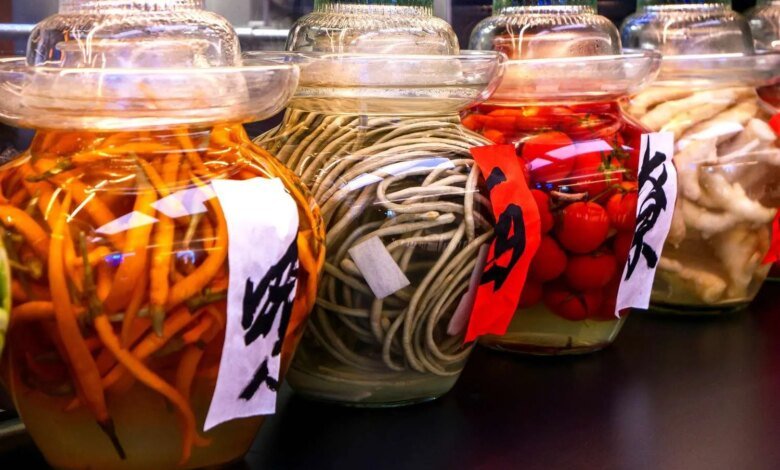
- Two home cooks have used social media to showcase their paocai, Szechuan pickles that are lacto-fermented in a water-sealed jar.
- The lacto-fermentation process creates a self-sustaining microbial system that can last indefinitely, with proper maitnenance.
- Some families reuse pickle brine for years or decades, a tradition that’s known as “old jar paocai” or “old mother brine paocai.”
“I’m willing to bet this jar of pickles is older than you” is a statement that will stop you in your tracks. Once you realize that the aforementioned jar of pickles — which is often opened so its tangy, crisp contents can be enjoyed — is either decades or over a century old, there’s no way you’re scrolling away from a TikTok video that promises a greater deep dive into what’s inside.
This is the hook that content creators like Vivian Aronson (
a و that و is – تفاصيل مهمة
) — and Meijie (Mei) Lao (@daywithmei), following Aronson’s lead — have used to rack up millions of views on the videos that spotlight their ancient pickle jars.
To be clear, it’s not necessarily the jar itself that’s old. Instead, it’s the brine inside that’s been kept alive for decades, or in Lao’s case, 120 years. Both of these food-focused influencers and recipe developers have their own paocai, traditional Szechuan pickles that can sustain a living brine for years to come and even be passed down through generations.
Paocai uses lacto-fermentation to pass pickles down through generations
Alternatively written as pao cai or pao tsai, Lao explains that “The pickle jar is a traditional Szechuan lacto-ferment called paocai. I consider it a matrilineal heirloom in my family. The pickle jar is a symbolic wedding gift to help the bride quickly start building a new household. Reusing an established pickle brine can kickstart the fermentation process.”
a و the و jar – تفاصيل مهمة
In Lao’s family, this particular brine has been passed down for five generations. She notes that “The style of paocai fermentation that reuses the brine for years or decades is called ‘old jar paocai’ or ‘old mother brine paocai.’ Similar to sourdough (starter), some vendors will boast about how long their mother brine has been in use.”
Lacto-fermentation is the preservation process that’s used to make traditional pickles. It doesn’t rely on vinegar and only needs three ingredients: water, salt, and the produce you’re pickling. The salt in a lacto-ferment brine prevents harmful bacteria from growing, while beneficial bacteria —Lactobacillus— convert the natural sugars in fruits or vegetables into lactic acid, a natural preservative that gives pickles their signature tangy, sour flavor.
Because new vegetables are continually added to a pao cai jar, providing the bacteria with sugar, this creates a self-sustaining microbial system that can keep pickling for decades.
You can add vegetables or fruit to a mature paocai jar at any time, but be careful not to overcrowd it, as the produce will slightly dilute the brine. When the liquid in a pickle jar is low, you may need to add new brine, butneverpour water into an active paocai.
the و a و to – تفاصيل مهمة
However, in addition to the Chinese pickling jars typically used for paocai, you’ll notice a moat of water around the edge of the lid. This serves two purposes: It allows gases produced by fermentation to escape without needing to “burp” the lid of the jar, as you might with other lacto-ferment systems, while also preventing oxygen from getting in. Because oxygen can encourage the growth of harmful microbes, andLactobacillusthrives without it, this helps ensure the pickles are safe to eat.
As Lao points out, sharing a portion of pickle brine is similar to sharing part of a sourdough starter. Giving someone part of your paocai brine makes it easier for them to successfully start their own lacto-fermentation system. Including the mother brine in their paocai will help the jar develop a stable microbial system quickly, and it’s less likely that harmful bacteria will start to grow.
Pickled vegetables from paocai appear throughout Chinese cuisine
According to Lao, “Just about any vegetable can be fermented in paocai brine. The flavor of lacto-fermented pickles is complex, earthy, and funky than vinegar-based pickles. Lacto-fermented vegetables generally remain delightfully crisp and even a tad fizzy from the carbon dioxide produced in the fermentation process.”
a و of و to – تفاصيل مهمة
Many paocai jars include ingredients that primarily add flavor, such as ginger, chile peppers, garlic, and spices. Some home cooks also add a small amount of liquor, such as baijiu or vodka, which serves as an additional preservative and adds flavor.
Fuchsia Dunlopa cook and food writer who specializes in Chinese and Szechuan cuisine and has written seven books about Chinese food, explains that lacto-fermented vegetables are found in many parts of China, and Szechuan-style pickle jars are used in other areas of the country too, like Yunnan.
You’ll spot pickles used in a wide variety of dishes throughout Szechuan cuisine. Per Dunlop, “Pickles can be used in cooked dishes; pickled mustard greens are often used in soups, and pickled long beans are often stir-fried with minced pork. Pickled red chillies and ginger often appear together, especially in fish dishes (a delicious combination).
“Pickled red chillies (a local type of long, horn-shaped chile calleder jing tiao) are the basis of the classic ‘fish-fragrant flavor’ (yuxiang weixing) of Szechuan cuisine. But possibly important, at least emotionally, are the quick-pickled vegetables, especially pink radishes and cabbage, which are traditionally served with rice at the end of every meal.”
and و in و are – تفاصيل مهمة
The “quick pickles” Dunlop mentions are the result of leaving ingredients in the paocai brine for a shorter time. She details that “Some paocai, like pickled chillies, can remain in the brine for a long time, or until needed, while the classic daily pickled vegetables are normally only brined for a day or two, so they are just lightly soured and retain their fresh crispness.”
Whether you want to give the gift of daily pickles to yourself or be able to share a starter brine with someone else, perhaps 2026 will be the birth year of your own jar of long-living, lacto-fermented vegetables.
Disclaimer: This news article has been republished exactly as it appeared on its original source, without any modification.
We do not take any responsibility for its content, which remains solely the responsibility of the original publisher.
Disclaimer: This news article has been republished exactly as it appeared on its original source, without any modification.
We do not take any responsibility for its content, which remains solely the responsibility of the original publisher.
Author: uaetodaynews
Published on: 2025-12-06 16:58:00
Source: uaetodaynews.com